Quick Answer
The most useful small-kitchen upgrade is the one that removes a repeated friction point without creating another storage problem. Start with one zone, remove unused or duplicate items, then choose a compact tool only when it makes a frequent task easier to repeat. Keep food-safety guidance ahead of organization aesthetics—for example, FDA guidance says shell eggs should remain refrigerated in their original carton rather than being transferred for display.
Choose by problem
Match one recurring task to one focused improvement
A small kitchen works better when each purchase has a clear job. Use this decision table to identify the routine first, then follow the detailed guide before adding another tool.
| Repeated problem | First change to test | Detailed guide |
|---|---|---|
| Fruit prep feels slow or inconsistent | Choose the wedge count that matches the snack or recipe. | Compare 8-blade and 12-blade slicers |
| Soft-food prep takes too much drawer space | Use one foldable tool for the task and store it flat. | Use a potato masher effectively |
| Four rolls spread into uneven shapes | Support a four-cavity silicone mold on a rigid sheet. | Use a silicone bread pan |
| Coffee preparation changes from cup to cup | Keep the brewer, scale and coffee together as one station. | Build a repeatable pour-over workflow |
| Ice trays spill between the sink and freezer | Fill and carry the flexible tray on a flat support. | Use a round ice tray without spills |
| Wet sink tools spread across the counter | Keep only daily tools in one draining zone. | Organize a sink caddy |
01 / Food preparation
Make everyday food prep more efficient
Food preparation includes many small, repetitive tasks. Slicing fruit, measuring ingredients and clearing the work surface may each take only a few minutes, but together they can make cooking feel more complicated than it needs to be.
An apple slicer can divide an apple into consistent wedges in one motion. It is useful for quick snacks, packed lunches, fruit plates and baking preparation. The practical value is not only speed; it also makes the result easier to repeat. If wedge size matters, compare an 8-blade and 12-blade apple slicer before choosing.

12-Blade Apple Slicer and Corer
Creates 12 even wedges while removing the apple core in one press.
Keep frequently used tools within reach
If a tool is used several times a week, store it close to the area where it is needed. Small kitchen tools work best when they are easy to reach, easy to clean and simple to return after use.
02 / Measuring
Use measuring tools that are easy to find
Measuring spoons are simple, but loose pieces often disappear into crowded drawers. Keeping a complete set together near the main preparation area reduces searching during baking, coffee preparation, sauces, seasoning and meal prep.

Stainless Steel Measuring Spoons
An eight-piece set for measuring dry and liquid ingredients.
Instead of grouping tools only by shape, create a compact preparation zone with measuring spoons, measuring cups, mixing utensils and the small cutting tools you use most often. Store a foldable potato masher close to the pot zone only if it supports a routine you repeat.
03 / Refrigerator
Put food safety ahead of refrigerator aesthetics
A crowded refrigerator makes food harder to see and easier to forget, but not every ingredient should be transferred into a display container. FDA guidance says to refrigerate shell eggs at 40°F (4°C) or below, keep them in their original carton and place the carton on a refrigerator shelf rather than the warmer door.
A safer organization rule
Group breakfast ingredients into one shelf zone while leaving shell eggs in the labeled carton. The carton preserves handling information and reduces unnecessary transfer. Use bins for sealed packages or other items only when the food label and storage guidance support that setup.
04 / Pantry storage
Keep specialty storage clear and simple
Storage works best when the container matches the ingredient. Resealable stand-up coffee bags create a defined format for coffee beans and can be labeled by roast or packing date. The one-way valve and resealable top are designed around coffee storage rather than general leftovers.

Airtight Coffee Storage Bags
Resealable stand-up pouches designed for organized coffee-bean storage.
Whatever format you use, label contents that may be difficult to identify, add a storage date when useful and keep similar items together. A container supports a system; it does not replace one. For the brewing side of the station, use a repeatable pour-over workflow instead of adding more accessories.
05 / Baking setup
Support flexible bakeware before filling it
A flexible silicone mold can save storage space, but it needs a stable transfer method. Set an empty four-cavity bread pan on a rigid baking sheet before adding dough, keep it supported through proofing and baking, and use the recipe plus the instructions supplied with the exact pan for time, temperature and care decisions.
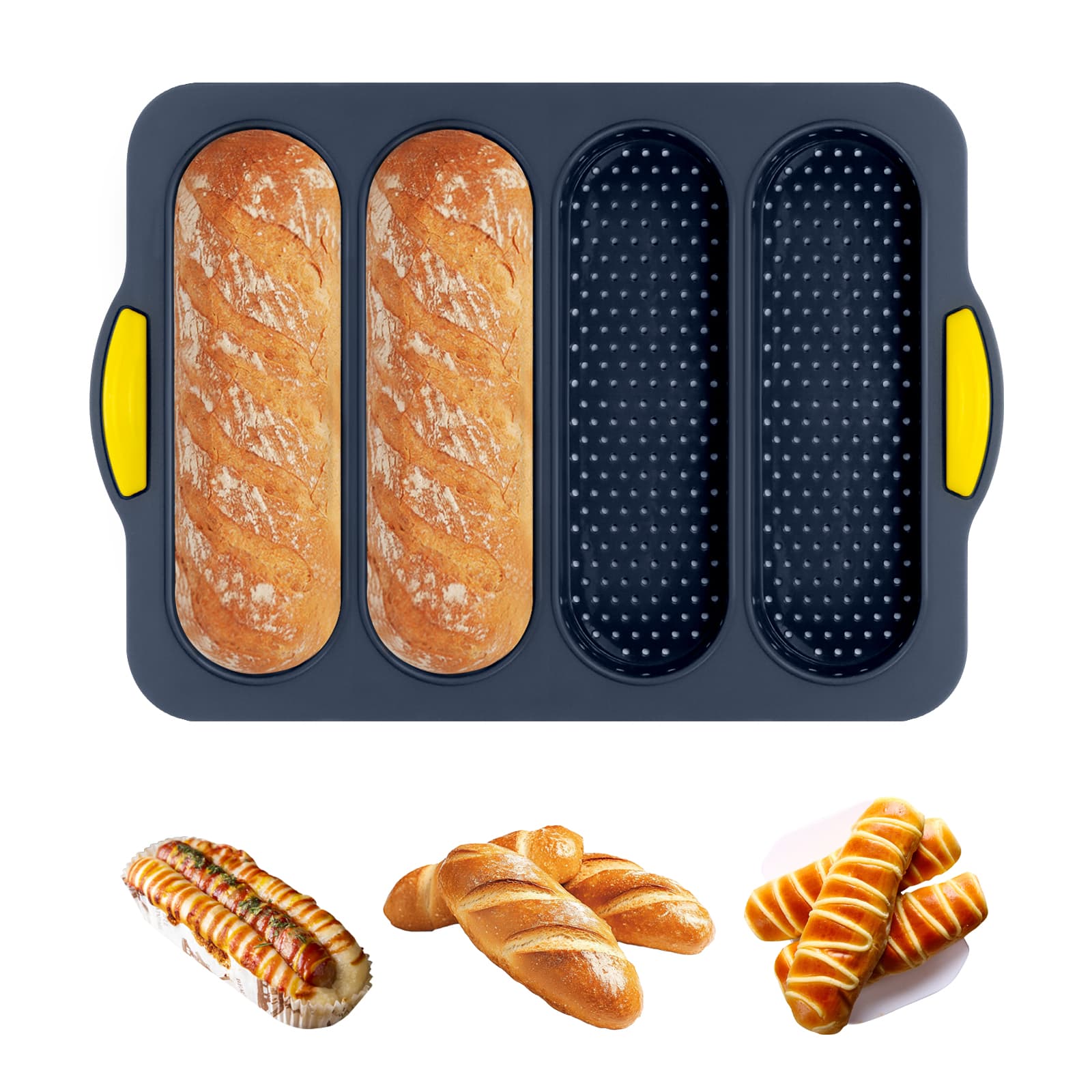
4-Cavity Silicone Bread Loaf Pan
Shapes four baguette-style loaves, sub rolls or hot dog buns in one supported flexible mold.
The decision is not “silicone or metal” in the abstract. Choose the format that matches the recipe shape, the available oven space and the way you can safely support the filled pan.
06 / Drinks
Prepare once for easier everyday drinks
Small drink accessories can add convenience without taking over the kitchen. Round ice trays can prepare batches for water, iced coffee, sparkling drinks, mocktails or cocktails, then stay ready in the freezer for later routines.

Round Ice Cube Trays, 2-Pack
Makes 50 small round ice pieces for water, coffee and cold drinks.
The same prepare-once principle works throughout the kitchen: portion snacks, organize breakfast ingredients or fill ice trays before the busy part of the week.
07 / Sink organization
Reduce clutter around the sink
Soap bottles, sponges and brushes can quickly make the sink area feel crowded. A combined soap dispenser and sponge holder reduces the number of separate objects on the counter and keeps two daily cleaning essentials together.

10 oz Dish Soap Dispenser with Sponge Holder
Combines a push-down soap pump and sponge holder in one sink-side unit.
Keep only daily-use items near the sink. Backup soap, extra cloths and rarely used cleaning products can live inside a cabinet. Fewer visible objects help a small kitchen feel calmer.
A simple method
Upgrade a small kitchen without adding clutter
- 1. Identify repeated frustrations.
Notice where you regularly search, spill, lose track of ingredients or run out of working space.
- 2. Solve one problem at a time.
Choose one zone such as the preparation drawer, refrigerator, sink or drink station.
- 3. Remove before adding.
Clear duplicate, broken or unused tools before introducing a new organizer or accessory.
- 4. Review after one week.
If the new setup is not easy to maintain, adjust its location before buying another product.
Small changes, better routines
Choose tools that fit the way you live
A useful kitchen upgrade should match your cooking habits, household size, available storage and daily schedule. The best tools quietly become part of everyday life because they make a familiar task easier without adding unnecessary complexity.
Frequently asked questions
Small kitchen upgrades, answered
What are the best upgrades for a small kitchen?
The best upgrades solve repeated daily problems without adding unnecessary clutter. Compact preparation tools, refrigerator organizers, focused storage and streamlined sink accessories are useful places to start.
How can I make a small kitchen more efficient?
Organize tools around where and how they are used. Keep frequently used items within reach, group related products together and remove items that rarely support your routine.
Should every kitchen item have its own organizer?
No. Too many organizers can make a small kitchen harder to maintain. Focus on the items or zones that regularly create clutter or slow down daily tasks.
How can I keep my kitchen counter clear?
Keep only daily-use items on the counter. Store backup products, rarely used appliances and extra cleaning supplies inside cabinets or drawers.
Are small kitchen tools worth buying?
They are useful when they solve a task you perform regularly, are easy to clean and can be stored without creating more clutter.
Should I move eggs from their carton into a refrigerator organizer?
FDA guidance says to keep shell eggs refrigerated at 40°F or below in their original carton and on a refrigerator shelf rather than the door. Organize the surrounding shelf zone instead of transferring eggs for display.
Sources and review method
Check the guidance behind this hub
The Obsoorth Editorial Team reviewed current catalog records and the linked product-use guides, then checked general kitchen and refrigerator guidance against the following sources on Sep 22, 2026. Product-specific claims remain limited to the matching catalog record and images.
1. FDA: What You Need to Know About Egg Safety
Egg-storage guidance to refrigerate shell eggs at 40°F or below and keep them in the original carton.
2. FDA: Are You Storing Food Safely?
General refrigerator guidance, including keeping eggs in their carton on a refrigerator shelf rather than the door.
3. Utah State University Extension: Organize and Equip Your Kitchen
Practical guidance that a useful kitchen does not require every new gadget and can be equipped gradually around real cooking needs.
About the author
Obsoorth Editorial Team
The editorial team builds practical guides from verified product records, matching product assets and cited external guidance. This hub was updated to separate food-safety instructions from organization ideas and to connect each recurring task with a more detailed use guide.
Explore Obsoorth